
By Ejaromedoghene Ofuoma
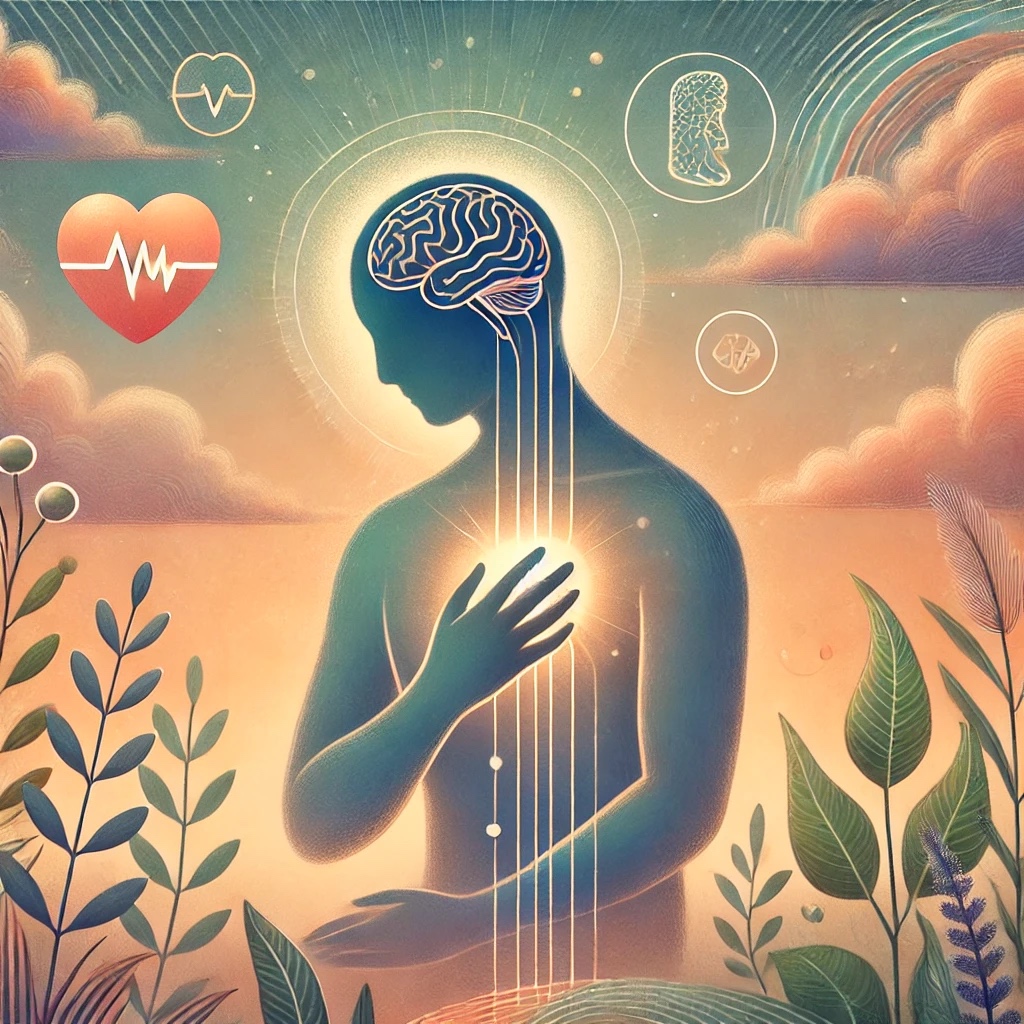
Did you know that people with chronic stress are 27% more likely to develop heart disease? This staggering fact highlights a powerful connection many overlook: the link between mental health and cardiovascular wellness. While we often treat the mind and body as separate, they are intricately connected.
Your emotional well-being can directly affect your heart’s health, and vice versa. But how does this connection work, and what can you do to nurture both? The science behind the mind-heart connection is explored and practical tips to help maintain a healthy mind and heart are provided below.
The Science of the Mind-Heart Connection
The relationship between mental health and cardiovascular health isn’t just philosophical—it’s deeply physiological. When you’re stressed, anxious, or depressed, your body reacts as if it’s under physical attack. This triggers the “fight or flight” response, releasing hormones like cortisol and adrenaline.
While this response can save your life in emergencies, chronic stress keeps these hormones elevated, leading to increased blood pressure, higher heart rates, and inflammation—three key risk factors for heart disease.
A 2017 study published in The Lancet backs this up. This study found out that people with chronic stress had significantly higher rates of heart attacks and strokes. Depression, too, plays a major role. According to the American Heart Association, individuals with depression are up to 64% more likely to develop coronary artery disease.
It’s a two-way street. Not only does mental health impact the heart, but heart problems like heart failure can lead to higher rates of depression and anxiety. This vicious cycle underscores the need to care for both your mind and heart.
Practical Wellness Strategies for a Healthy Mind and Heart
Understanding the mind-heart connection is just the first step. The good news is that small, intentional actions can make a big difference.
1. Manage Stress Effectively
Stress is inevitable, but how you handle it matters. Practicing mindfulness meditation can lower cortisol levels and blood pressure. A study by Harvard Medical School found that just 10 minutes of daily mindfulness practice can reduce the risk of heart disease. Yoga and breathing exercises also help by calming your nervous system.
2. Stay Physically Active
Exercise is a powerful tool for both mental and cardiovascular health. Activities like brisk walking, cycling, or dancing release endorphins, often called “feel-good” hormones, which can improve mood and reduce stress. The American Heart Association recommends at least 150 minutes of moderate exercise weekly to maintain heart health.
3. Eat a Balanced Diet
Your food choices affect both your mental state and your heart. Foods rich in omega-3 fatty acids, like salmon and walnuts, reduce inflammation and boost brain health. Whole grains, leafy greens, and berries support cardiovascular health. On the flip side, processed foods and high-sugar diets can increase anxiety and contribute to heart disease.
4. Prioritize Sleep
Poor sleep disrupts both mental and physical health. Lack of sleep raises stress hormones, negatively affecting your heart. Experts recommend getting 7-9 hours of sleep per night. Simple habits like creating a consistent bedtime routine and limiting screen time before bed can improve sleep quality.
5. Seek Professional Support
Sometimes, mental health challenges require expert guidance. Therapy, whether cognitive behavioral therapy (CBT) or other forms, has been shown to improve mental health and reduce heart risks. Don’t hesitate to reach out to a professional if feelings of stress, anxiety, or depression persist.
6. Build Strong Connections
Having a supportive social network can protect your heart and mind. A study published in Psychological Science found that people with strong social ties were 50% less likely to die prematurely, even when other health factors were considered. Spend time with loved ones, join community groups, or participate in activities that bring you joy.
Finally, the connection between your mind and heart is undeniable. Chronic stress, anxiety, and depression don’t just affect your emotions—they take a toll on your cardiovascular health. But with intentional strategies like managing stress, staying active, eating well, and seeking support, you can nurture both your mental and heart health.
Start small. Take a deep breath, go for a walk, or call a friend. Your efforts will pay off in the form of a healthier mind and heart. Remember, your wellness journey isn’t just about surviving—it’s about thriving. As the saying goes, “A healthy mind breeds a healthy heart.” Take the first step today, and watch your overall health flourish.






No comment yet, add your voice below!